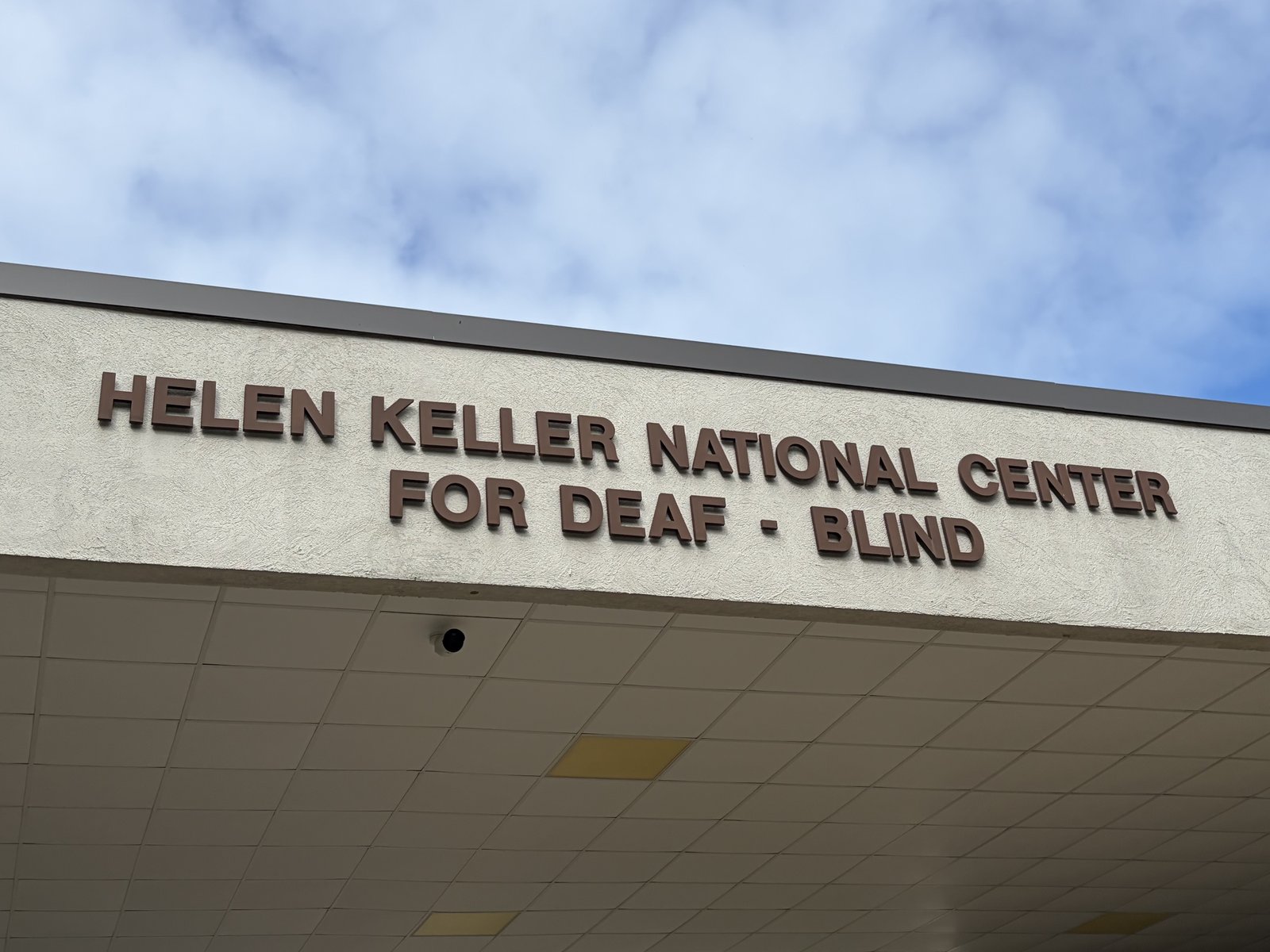
Where we learned this
From the disaster preparedness class at the Helen Keller National Center (HKNC), headquartered in Sands Point, New York. Building a support network is a big part of it.
Write a short letter to your neighbors
Keep it short: "I am your next-door neighbor. If a disaster happens, please text me. Here is my number."
Send it to a few homes, and someone will reply with their name and offer to help. Most people are kind.
Say hello in person, and bring cookies
Visit and say hello. HKNC suggests a small gift like cookies. If you cannot bake, ask someone to help.
Your neighbors do not need to know sign language. Even a short meeting builds a bond.
Supporters: introduce the person directly
If you are always with a supporter, neighbors may only remember the supporter.
The supporter says, "This is ___," and the person says hello or shakes hands.
Go out and meet people
Do not stay home all the time. Go to shops and local activities, and greet the people you meet.
Show the devices you use, like a braille display. People get curious, and it starts a conversation.
When neighbors know you
In a big storm, a neighbor may think, "Is the person next door okay?" and come to check.
In a disaster, supporters may need to care for their own families. Neighbors nearby can help.
Try this in Korea
Give a note with your number to the homes next to, above and below you. Ask them to text you or knock in an emergency.
With 119 Safety Call, you can register a guardian's and a helper's contact details.
Based on the disaster preparedness session the Twili team attended at HKNC on September 29, 2026.